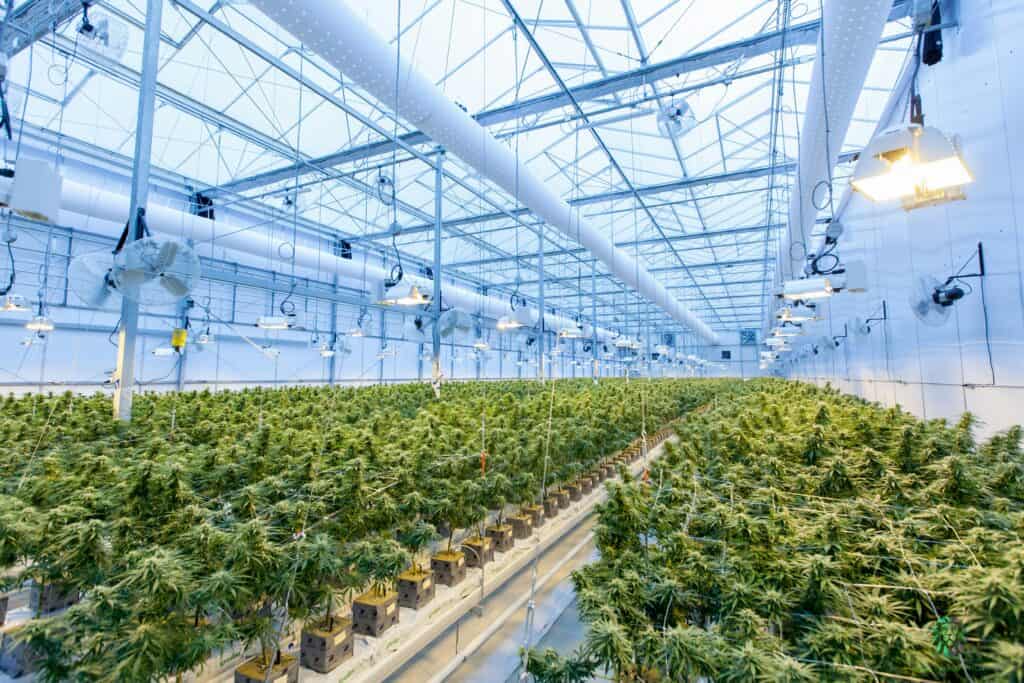
For years, cannabis patients, consumers, and advocates have pointed to the “entourage effect” as one of the strongest arguments for choosing whole-plant cannabis over isolated cannabinoids. The basic premise has always been compelling: cannabis is more than just THC or CBD. It is a remarkably complex plant containing hundreds of naturally occurring compounds—including terpenes, minor cannabinoids, and flavonoids—that work together to shape each variety’s unique effects.
Now, new research is adding an important layer of sophistication to that theory. Rather than disproving the entourage effect, scientists are finding that it may be far more precise than previously understood, with specific terpenes interacting differently depending on which cannabinoid receptors they influence.
For those of us who have long advocated for recognizing cannabis as a legitimate therapeutic plant, these findings are encouraging. They move the conversation beyond marketing buzzwords and closer to evidence-based cannabis medicine.
The Entourage Effect and Cannabis Science
Researchers examining multiple cannabis-derived terpenes found that these aromatic compounds were capable of activating cannabinoid receptors on their own while also enhancing THC’s activity under certain conditions. However, the interactions were not universal. Different terpene combinations produced different responses depending on whether they interacted with CB1 receptors, CB2 receptors, or both.
This matters because CB1 receptors are found primarily throughout the brain and central nervous system and play a major role in the psychoactive effects of cannabis, while CB2 receptors are concentrated in immune tissues and are more commonly associated with inflammation and immune regulation. If certain terpenes preferentially influence one receptor over another, it could eventually help explain why two cannabis cultivars with similar THC percentages can produce dramatically different experiences.
Rather than supporting the simplistic idea that “all terpenes make THC stronger,” the research points toward something much more interesting: cannabis chemistry is selective, nuanced, and highly individualized.
Why This Matters for Medical Marijuana Patients
Anyone who has spent time talking with medical cannabis patients has likely heard the same story countless times.
One product helps manage chronic pain while another with nearly identical THC levels causes anxiety. A cultivar that works wonders for sleep does nothing for someone else’s insomnia. Some patients swear by limonene-rich varieties for daytime focus, while others find greater relief from myrcene or caryophyllene.
Traditional cannabis testing has often reduced these experiences to THC potency alone. Yet patients have long understood that potency does not necessarily predict effectiveness.
This latest research lends additional scientific credibility to what many consumers have observed through years of careful experimentation: the complete chemical profile matters.
Beyond THC
For too long, legal cannabis markets have rewarded products based almost entirely on THC percentages.
Consumers frequently assume that higher THC automatically means a better product, while dispensary shelves often highlight potency above every other characteristic. Unfortunately, this has encouraged breeding practices that prioritize cannabinoid concentration over preserving the rich diversity of terpenes and other naturally occurring compounds.
As research continues to evolve, that mindset may begin to shift.
If specific terpene profiles can reliably influence therapeutic outcomes, future cannabis recommendations may look much more like personalized medicine than simple potency rankings. Instead of asking, “What’s your highest THC flower?” consumers may eventually ask, “Which terpene profile is best suited for my symptoms?”
That would represent a significant step forward for both patients and the industry.
A Win for Whole-Plant Cannabis Research
One of the most exciting aspects of this study is that it continues a broader trend within cannabis science.
Researchers are increasingly moving away from studying individual cannabinoids in isolation and toward understanding cannabis as a dynamic botanical medicine. Every year brings a better understanding of how cannabinoids, terpenes, flavonoids, and other phytochemicals interact inside the human endocannabinoid system.
This doesn’t mean every claim about the entourage effect has been validated. In fact, the authors specifically caution against broad generalizations, arguing that terpene interactions appear to be receptor-specific rather than universally synergistic.
That kind of scientific refinement is exactly what cannabis research needs.
Rather than relying on assumptions, researchers are beginning to identify the specific biological mechanisms that explain why certain formulations work better than others.
Cannabis Research and Cannabis Medicine
Federal restrictions have delayed cannabis research for decades, leaving patients and healthcare providers with far fewer answers than they deserve.
Yet despite those obstacles, studies like this continue to build a stronger scientific foundation for understanding one of the world’s most chemically sophisticated medicinal plants.
The latest findings don’t overturn the entourage effect. Instead, they paint a more detailed picture of how cannabis actually works.
Every new discovery helps replace decades of stigma with measurable biology. It brings clinicians closer to making informed recommendations, gives patients better tools for choosing products that fit their needs, and reminds policymakers why continued investment in cannabis research remains essential.